Caribbean Carnival Culture in Canada
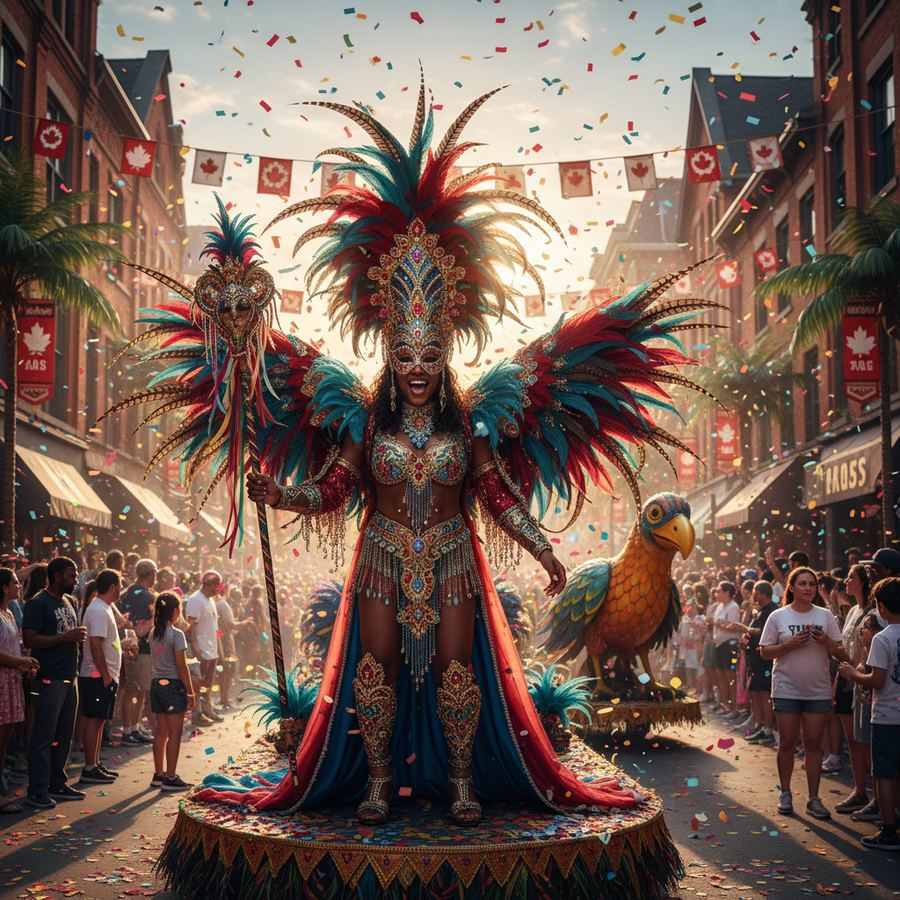
Caribbean carnival culture has been a vibrant part of the Canadian festival landscape for nearly six decades, brought to the country by immigrants from Trinidad and Tobago, Jamaica, Barbados, Guyana, and other Caribbean nations who carried their musical, artistic, and celebratory traditions with them. What began as community celebrations within Caribbean neighbourhoods in Toronto, Montreal, and other cities has grown into some of the largest and most spectacular cultural events in the country, attracting millions of participants and spectators from every background.
The roots of Caribbean carnival lie in the pre-Lenten Carnival traditions of Trinidad and Tobago, where the festival evolved from colonial-era masquerade balls into a massive street celebration of African-descended cultural expression. The core elements of Caribbean carnival, including costume bands (known as "playing mas"), calypso and soca music, steelpan performance, and the Grand Parade, were transplanted to Canadian cities beginning in the 1960s and have flourished in their new home while maintaining strong connections to the Caribbean original.
Today Caribbean carnivals are held in cities across Canada, with the Toronto Caribbean Carnival (formerly Caribana) being the largest and most famous. These events have become important expressions of Caribbean-Canadian identity and significant contributors to the cultural and economic life of their host cities.
Toronto Caribbean Carnival
The Toronto Caribbean Carnival is the flagship Caribbean carnival in Canada and the largest in North America. Founded in 1967 as part of Canada's Centennial celebrations, the festival has grown into a three-week summer event that culminates in the Grand Parade along Lake Shore Boulevard on the first Saturday in August. Over a million visitors attend the festival each year, making it one of the largest cultural events on the continent.
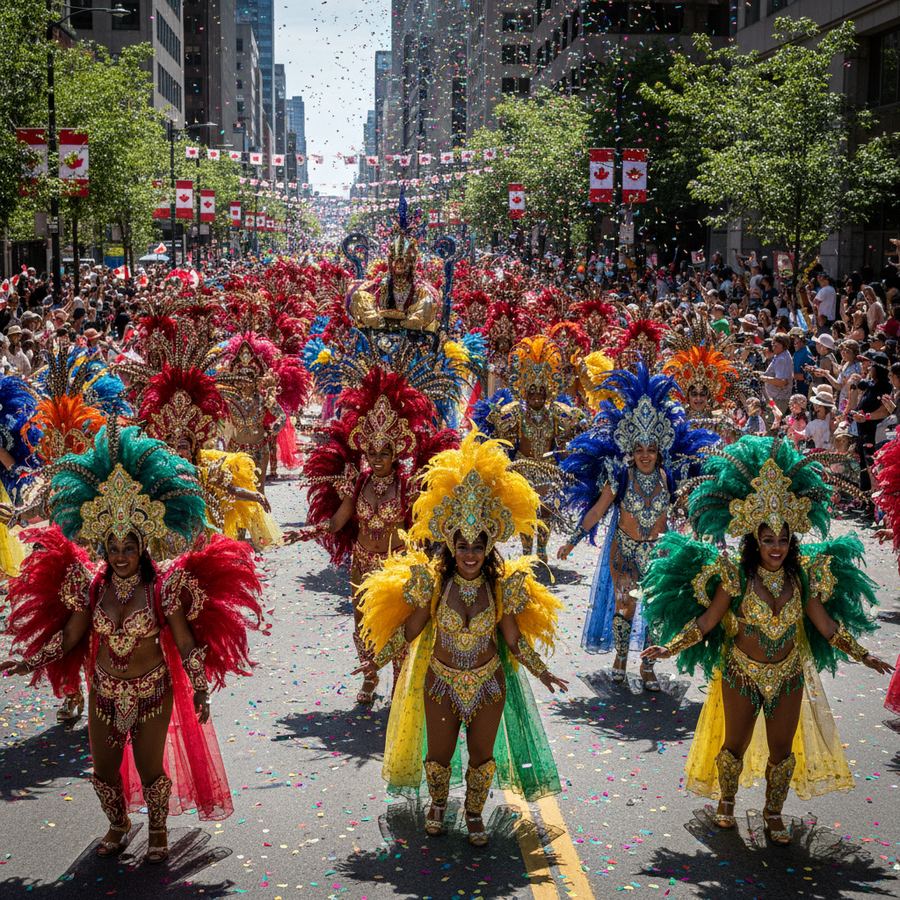
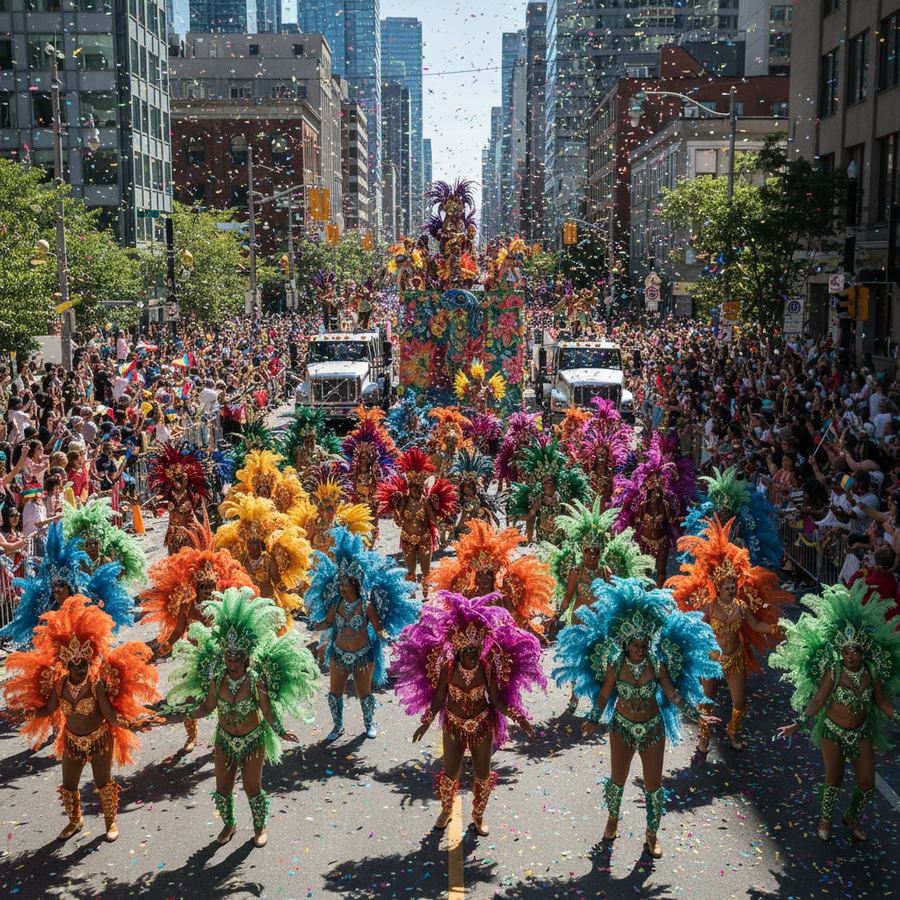
The Grand Parade features thousands of costumed masqueraders organized into bands, each with its own theme, music truck, and elaborate costumes that represent months of design and construction. The parade route stretches along Lake Shore Boulevard, and the atmosphere is a wall of colour, sound, and energy that is unlike anything else in Canadian festival culture. Pan Alive, the King and Queen competition, and the numerous concerts and parties during the festival weeks round out the programming.
Full Toronto Caribbean Carnival Guide
Caribbean Carnivals in Other Cities
Montreal
Montreal's Caribbean community, one of the oldest in Canada, hosts carnival celebrations that reflect the city's bilingual character and its historical connections to the French-speaking Caribbean. Haitian Carnival traditions blend with Trinidadian and other Caribbean influences to create events that are unique to Montreal. The city's summer festival calendar, already packed with major events, includes Caribbean music and cultural programming that adds another dimension to an already diverse cultural scene.
Ottawa
The national capital's Caribbean community organizes carnival events that, while smaller than Toronto's, maintain the essential elements of Caribbean carnival culture including costume bands, steelpan music, and a parade. Ottawa's Caribbean festival takes advantage of the city's public spaces and parks to create a celebration that is accessible and welcoming.
Calgary and Edmonton
Western Canada's growing Caribbean communities have established carnival celebrations that bring Caribbean culture to the prairies. These events are smaller than their Eastern Canadian counterparts but are growing as the Caribbean populations of Calgary and Edmonton expand. The Alberta carnivals add a welcome splash of Caribbean colour and energy to cities better known for rodeos and winter festivals.
Halifax
Halifax has historical connections to the Caribbean that predate Confederation, with a Black Nova Scotian community that traces its roots to the late 1700s. While Halifax's Caribbean carnival events are modest in scale, they carry particular cultural significance given the city's long history of African-descended settlement.
Understanding Caribbean Carnival Culture
Playing Mas
"Playing mas" (short for masquerade) is the act of joining a costume band and parading in the Grand Parade. It is the most immersive way to experience Caribbean carnival. Registration with a band includes your costume, food and drinks on parade day, and a spot in the band's section of the parade. Costs range from a few hundred to over a thousand dollars depending on the band and costume category. For many participants, playing mas is an annual tradition that requires months of planning and represents the highlight of their festival calendar.
Music
Soca, calypso, steelpan, and dancehall are the primary musical genres at Caribbean carnivals. Soca, the up-tempo fusion of soul and calypso that emerged in Trinidad in the 1970s, dominates the parade route. Steelpan, invented in Trinidad, is showcased in the Pan Alive competition. Calypso, with its tradition of social commentary and storytelling, provides the lyrical foundation. Dancehall and reggae from Jamaica add another dimension to the musical mix.
Food
Caribbean carnival food is a highlight for many attendees. Jerk chicken, roti, doubles, pelau, curry goat, fried plantain, and rum punch are staples at food vendors along the parade route and at festival grounds. The food reflects the diversity of Caribbean cuisine, with Trinidadian, Jamaican, Guyanese, and Barbadian traditions all represented.
Tips for First-Time Attendees
Arrive early to the Grand Parade for the best viewing spots. Wear comfortable shoes and clothing you do not mind getting dirty (the parade route gets dusty or muddy depending on the weather). Bring cash, as not all vendors accept cards. Sunscreen and water are essential for what will be a long, hot day. Most importantly, come prepared to participate rather than just watch. Caribbean carnival is interactive by nature, and the performers and masqueraders welcome spectators who dance, cheer, and engage with the energy of the event.