Why Canada Does Winter Carnivals Better Than Anywhere
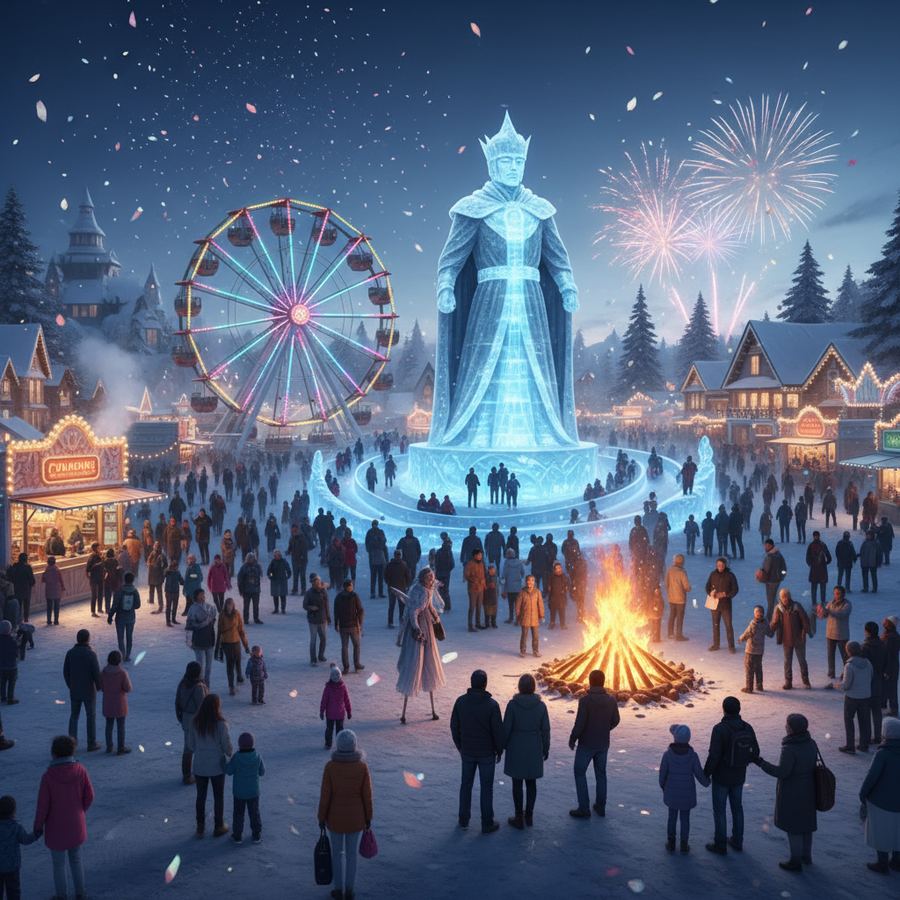
Canada is home to more winter carnivals and cold-weather festivals than any other country on the planet. This should not come as a surprise. With winters that stretch from November to April across most of the country, and temperatures that routinely plunge below minus-twenty in cities like Winnipeg, Saskatoon, and Quebec City, Canadians have had centuries to perfect the art of turning the coldest months into occasions for celebration. The winter carnival tradition here is not an afterthought or a tourism gimmick. It is a genuine cultural response to the challenge of maintaining community spirit and individual sanity through long, dark, frigid winters.
The diversity of Canadian winter carnivals is remarkable. At one end of the spectrum you have the Quebec Winter Carnival, a world-famous event that draws 400,000 visitors and features ice palaces, night parades, and the beloved Bonhomme. At the other end you have community carnivals in places like Onaping Falls and Rockport, where a few hundred residents gather around a bonfire, fish through the ice, and remind themselves that they chose to live in this climate for a reason. Both types of celebration serve the same fundamental purpose: getting people outside, together, and in good spirits during the season that would otherwise keep them isolated and indoors.
The Major Winter Carnivals
Quebec Winter Carnival (Carnaval de Quebec)
The granddaddy of Canadian winter festivals and the largest winter carnival in the world. The Quebec Winter Carnival runs for approximately two weeks in late January through mid-February and transforms Quebec City into a frozen celebration of French-Canadian culture. The Ice Palace, the night parades, the canoe race across the frozen St. Lawrence, and the famous snow baths are just the headline attractions. The spirit of the event, embodied by the smiling Bonhomme mascot, makes the Quebec carnival an experience that feels genuinely joyful rather than merely entertaining.
Winterlude (Ottawa)
The national capital's winter festival spans three weekends in February and is anchored by the Rideau Canal Skateway, the world's largest naturally frozen skating rink. Skating the 7.8-kilometre canal with a BeaverTail pastry in hand is one of the quintessential Canadian winter experiences. Snowflake Kingdom in Gatineau is the best free winter playground for children at any Canadian festival, and the Crystal Garden ice sculptures in Confederation Park are spectacular after dark. Most Winterlude activities are free, making it one of the most accessible winter festivals in the country.
Festival du Voyageur (Winnipeg)
Western Canada's largest winter festival celebrates the French-Canadian and Metis fur-trade heritage of Winnipeg's Saint-Boniface neighbourhood. The ten-day February event features an international snow sculpture competition, continuous live fiddle music and jigging in heated tents, and some of the best French-Canadian cuisine at any Canadian festival. Festival du Voyageur captures the spirit of the voyageurs who found joy in harsh conditions, and attending it in the depths of a Winnipeg winter is an authentic experience of that tradition.
Silver Skate Festival (Edmonton)
Canada's oldest winter festival (founded in 1963) takes place at Hawrelak Park in Edmonton's beautiful river valley. Silver Skate distinguishes itself from larger winter festivals through its emphasis on art, with illuminated installations along the frozen lake and a growing reputation for creative programming. The snow sculpture competition, heritage village, and recreational skating on natural ice make this a festival that rewards a slower, more contemplative approach to winter celebration.
Regional and Community Winter Carnivals
Nutrien Wintershines (Saskatoon)
Saskatoon's winter festival centres on the South Saskatchewan River and features speed skating championships, snow sculpture, and community programming. The speed skating events honour the city's Dutch-Canadian heritage, and the Night Lights installations along the river valley are a growing attraction.
Read more about Nutrien Wintershines
Banff Winter Carnival
One of the oldest winter festivals in Western Canada, held in the stunning setting of Banff National Park. The combination of Rocky Mountain scenery, ski-town culture, and community celebration makes this a uniquely atmospheric event.
Read more about Banff Winter Carnival
Corner Brook Winter Carnival
Western Newfoundland's premier winter celebration features parades, snowmobile rallies, and the kind of community spirit that defines Atlantic Canadian festivals. The mountain setting adds beauty to the proceedings.
Read more about Corner Brook Winter Carnival
Community Carnivals Across Canada
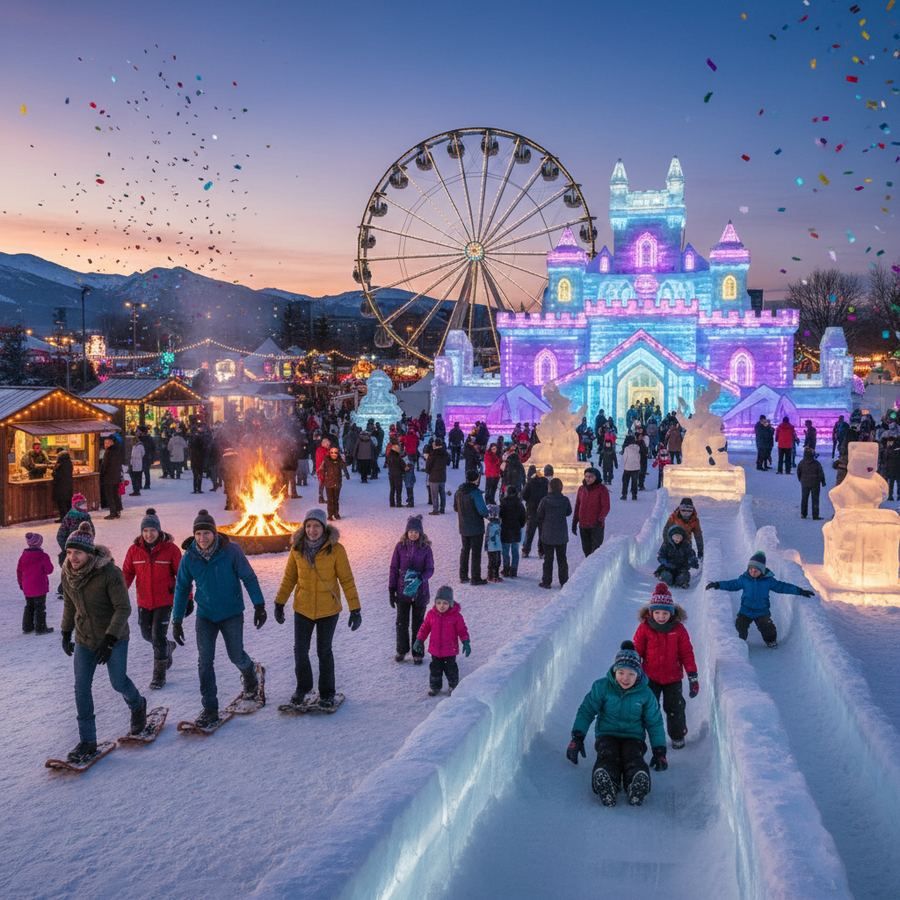
Dozens of smaller communities across Canada organize winter carnivals that may not make national headlines but are beloved by the people who attend them. Events in Cochrane, Onaping Falls, Riverview, and Rockport represent the grassroots of Canadian winter carnival culture. These events feature bonfires, snowmobile rallies, ice fishing derbies, and community gatherings that are the antidote to cabin fever.
Tips for Attending Winter Carnivals
The single most important piece of advice for attending a Canadian winter carnival is to dress properly. This sounds obvious, but every year thousands of visitors underestimate how cold it will be and spend their festival experience miserable rather than enjoying themselves. Thermal base layers, an insulated winter coat, waterproof boots, insulated gloves, a warm toque, and a neck warmer or balaclava are the minimum for any event held outdoors in January or February in most of Canada. Hand warmers and toe warmers are small investments that make a big difference.
Beyond clothing, the key to enjoying a winter carnival is adjusting your expectations for a cold-weather event. Activities take longer when you are bundled up. You will need more food and warm drinks than you would at a summer fair. Regular warming breaks in heated shelters, restaurants, or your car are not a sign of weakness; they are standard protocol. Plan for a shorter outing than you would at a summer event, and you will leave satisfied rather than exhausted.
For a detailed gear list, see our Winter Carnival Packing List.