Organizer Resources
Permits, regulations, safety standards, and insurance guidance for anyone organizing a carnival, fair, or festival in Canada.
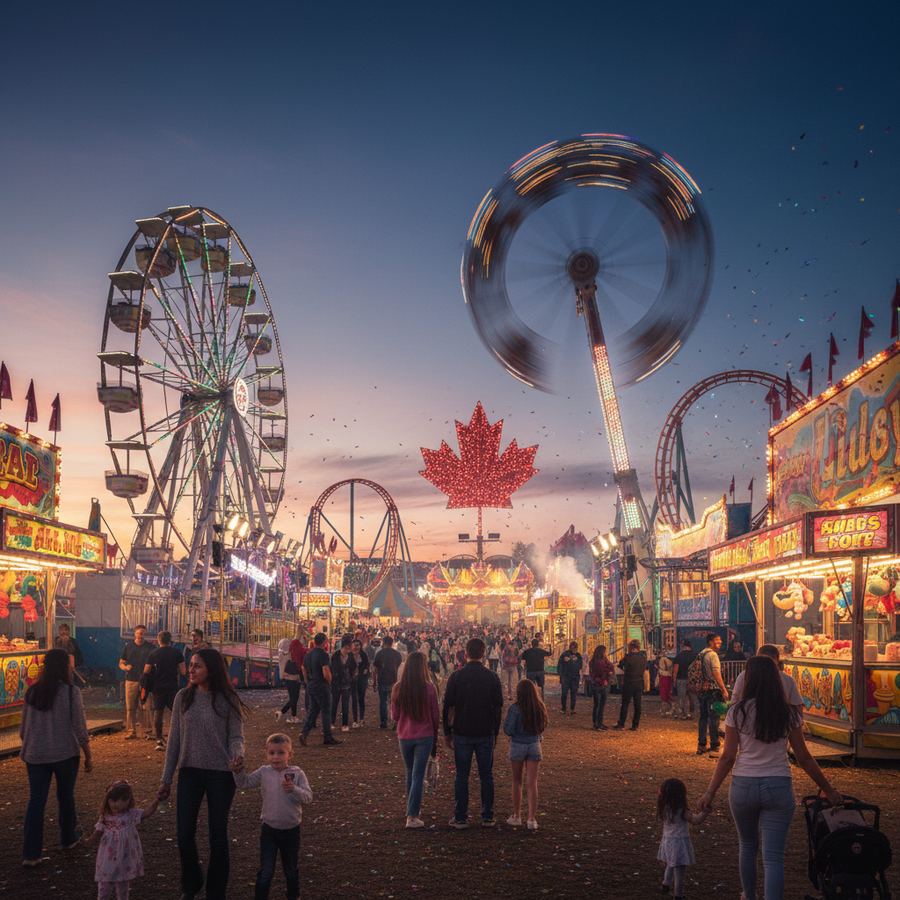
Planning a Carnival or Fair in Canada
Running a carnival, fair, or outdoor festival in Canada involves a web of regulatory requirements that vary by province, municipality, and event type. Whether you are organizing a small-town winter carnival with a few outdoor activities and a community supper, or staging a multi-day summer exhibition with travelling midway rides, food vendors, and licensed bar areas, the permitting and compliance landscape can be complex. This resource hub is designed to give organizers a clear starting point for understanding what is required.
At the broadest level, most carnival and fair events in Canada require attention to four areas: amusement ride safety and inspection, food handling and vendor permits, alcohol service licensing, and general event insurance. Each of these is governed by a mix of federal, provincial, and municipal regulations. The specifics depend heavily on where the event takes place and what activities are involved, but the underlying principle across all jurisdictions is that public events must demonstrate that reasonable steps have been taken to protect the health and safety of attendees, workers, and vendors.
Ride Safety and Inspections
Amusement rides are among the most heavily regulated elements of any carnival or fair. In Ontario, the Technical Standards and Safety Authority (TSSA) oversees the registration, inspection, and licensing of all amusement devices, including travelling rides, inflatables, and permanent installations. Alberta has its own set of standards under the Safety Codes Act, enforced by accredited agencies. British Columbia, Quebec, and the other provinces each maintain their own regulatory frameworks. The common thread is that every ride operating at a public event must be inspected before it opens to the public, and operators must hold valid certifications.
For organizers, this means you need to verify that any ride operator or midway company you contract has current licences, up-to-date inspection certificates, and adequate liability insurance. Many municipalities also require that ride operators submit documentation to the local authority before the event. Failure to comply can result in fines, event shutdowns, or significant liability exposure if an incident occurs. Our ride safety regulations guide breaks down the provincial requirements in detail.
Food Vendor Permits and Health Inspections
Food service at outdoor events falls under provincial health protection legislation and is typically enforced at the municipal level by local public health units. Food vendors at carnivals and fairs are required to hold temporary food premises permits, which mandate compliance with food handling, storage, and preparation standards. Inspectors may visit the event site before or during the event to verify that vendors are meeting requirements around handwashing stations, refrigeration, cooking temperatures, and waste disposal.
As an organizer, you are generally responsible for ensuring that every food vendor on your site holds the required permits. Many health units provide event organizer kits that outline the specific requirements for temporary food service in their jurisdiction. Planning ahead is important, as permit applications often need to be submitted weeks in advance. Our food vendor permits guide covers the process and key considerations across the major provinces.
Alcohol Permits and Licensing
Serving alcohol at a carnival or fair requires a special occasion permit (SOP) or its provincial equivalent. In Ontario, these are issued by the Alcohol and Gaming Commission of Ontario (AGCO). In British Columbia, the Liquor and Cannabis Regulation Branch handles special event permits. Quebec, Alberta, and the other provinces each have their own licensing bodies and application processes. The permits typically specify designated areas where alcohol can be consumed, impose age verification requirements, and set conditions around server training (such as Smart Serve certification in Ontario).
Organizers who plan to include beer gardens, licensed dining areas, or bar service at their events should begin the application process well in advance. Processing times vary, but six to eight weeks is a reasonable lead time in most provinces. There are also insurance implications: many event insurance policies require specific coverage for alcohol-related liability, and some venues or municipalities require proof of this coverage before issuing a permit. Our alcohol permits guide walks through the key requirements by province.
Event Insurance
Comprehensive event insurance is a practical necessity for any carnival, fair, or festival. General liability insurance protects the organizer against claims arising from injuries to attendees, property damage, and other incidents. Many municipalities and venue owners require proof of insurance, often with minimum coverage of $2 million to $5 million in general liability, before they will issue a permit or allow the event to take place on their property.
Beyond general liability, organizers should consider coverage for weather-related cancellations, equipment breakdown, vendor and volunteer injuries, and liquor liability if alcohol is being served. Working with an insurance broker who has experience in the event industry is the best way to ensure adequate coverage. Our event insurance basics guide outlines the key coverage types and what to look for in a policy.
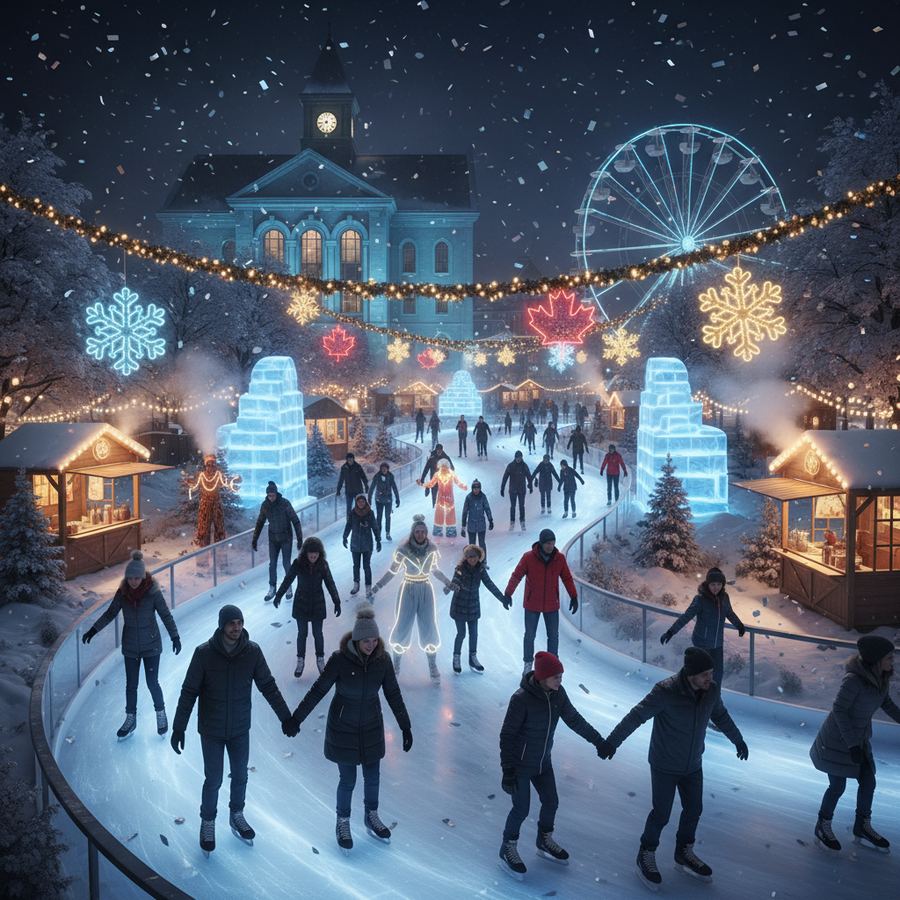
Getting Started
The guides linked below cover each of these areas in greater depth. They are written to help first-time organizers understand the landscape and give experienced organizers a reference point when expanding into new provinces or adding new elements to their events. Regulations change, so we recommend confirming current requirements with the relevant provincial or municipal authority before finalizing your event plan.
Organizer Guides
Ride Safety Regulations
Provincial requirements for amusement ride inspections, operator licensing, and compliance at carnivals and fairs.
Food Vendor Permits
Health unit requirements, temporary food premises permits, and food safety standards for outdoor events.
Alcohol Permits in Canada
Special occasion permits, provincial licensing bodies, server training, and designated service areas.
Event Insurance Basics
General liability, cancellation coverage, liquor liability, and what to look for in an event insurance policy.