Serving Alcohol at Festivals and Fairs
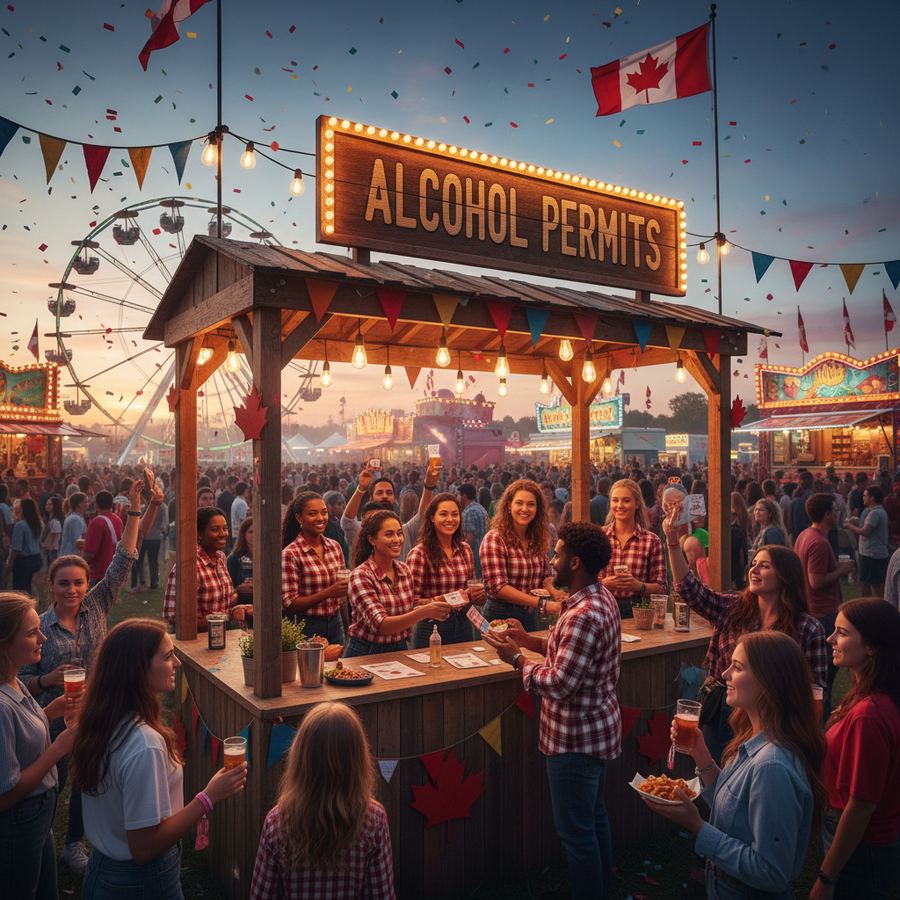
Alcohol service can be a significant revenue generator for carnival and festival organizers, but it comes with substantial regulatory requirements. Alcohol sales and service in Canada are regulated at the provincial level, with each province maintaining its own licensing framework, application process, and operational requirements. Serving alcohol at a public event without proper authorization is a serious offence that can result in fines, criminal charges, and the shutdown of your event. Getting the permits right is not optional.
The good news is that every Canadian province has a mechanism for issuing temporary or special occasion permits that allow alcohol service at events that do not hold a permanent liquor licence. The application process, lead times, and operational requirements vary by province, but the general framework is consistent: you need a permit, a designated service area, trained servers, and compliance with the conditions attached to your permit.
Types of Permits
Special Occasion Permits (Ontario)
In Ontario, the Alcohol and Gaming Commission of Ontario (AGCO) issues Special Occasion Permits (SOPs) for events where alcohol will be served. SOPs come in several categories including public events (open to anyone), private events (invitation only), and charitable events. The permit application must be submitted at least 30 days before the event (10 days for private events), and the fee depends on the type and size of the event. SOPs include conditions regarding hours of service, serving sizes, food requirements, and the designated service area.
Provincial Equivalents
Other provinces have similar mechanisms under different names. Alberta issues Special Event Licences through the Alberta Gaming, Liquor and Cannabis Commission (AGLC). British Columbia issues Special Event Permits through the Liquor and Cannabis Regulation Branch. Quebec operates through the Regie des alcools, des courses et des jeux. Each province's licensing body maintains application forms and guidelines on its website, and organizers should contact the relevant authority early in their planning process.
Common Requirements Across Provinces
Designated Service Area
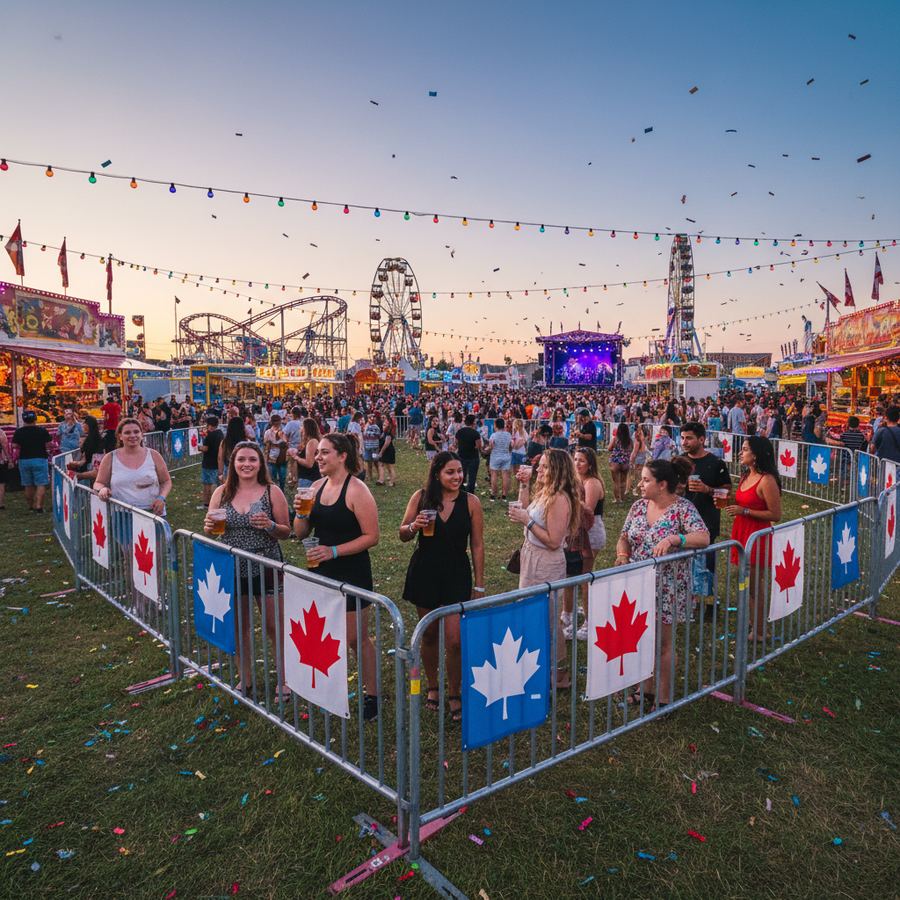
Every province requires that alcohol service at outdoor events takes place within a clearly defined, enclosed area. In practice this means fencing or barriers that create a distinct zone where alcohol can be consumed, with controlled entry and exit points. The fenced area must be separate from the general event space, and attendees must not be allowed to leave the designated area with alcoholic beverages. The size and configuration of the service area must be specified in your permit application and approved by the licensing authority.
Server Training
All staff who serve alcohol at your event must hold valid server training certification. In Ontario this is the Smart Serve certification. Alberta requires ProServe certification. BC requires Serving It Right. Quebec requires formation en hygiène et salubrité. The specific program varies by province, but the training covers responsible service practices, identifying intoxication, refusing service, and legal obligations. Certification is available online and can typically be completed in a few hours.
Security
Events with alcohol service are generally required to provide security personnel at the entry points to the designated area and within the service zone. Security staff are responsible for checking identification, monitoring for intoxication, and managing any incidents. The ratio of security to attendees varies by jurisdiction and event size, but as a general guideline, one security person per 100 to 150 attendees in the alcohol service area is a common starting point.
Food Requirements
Most provinces require that food be available for purchase within or adjacent to the alcohol service area. Some jurisdictions specify that food must be available at all times during alcohol service, while others require that a minimum amount of food be provided per attendee. Check your provincial requirements, as this is an area where regulations are specific and enforcement is common.
Hours of Service
Alcohol service hours at events are typically restricted to match the general liquor service hours in the province. In most Canadian provinces this means service can begin no earlier than 11:00 a.m. and must end by 1:00 a.m. or 2:00 a.m. depending on the jurisdiction. Your specific permit will include the approved hours of service, and exceeding those hours is a permit violation.
Provincial Guide
Key Provincial Contacts
- Ontario:
- Alcohol and Gaming Commission of Ontario (AGCO)
- Alberta:
- Alberta Gaming, Liquor and Cannabis Commission (AGLC)
- British Columbia:
- Liquor and Cannabis Regulation Branch (LCRB)
- Quebec:
- Regie des alcools, des courses et des jeux (RACJ)
- Saskatchewan:
- Saskatchewan Liquor and Gaming Authority (SLGA)
- Manitoba:
- Liquor, Gaming and Cannabis Authority of Manitoba (LGCA)
- Atlantic Provinces:
- Each province has its own liquor commission or authority
Practical Tips for Organizers
Start the permit process early. Most provinces require applications at least 30 days before the event, and complex events or first-time applicants may face longer processing times. Contact your provincial licensing authority as soon as you decide to include alcohol service in your event plan.
Budget for the full cost of alcohol service, including the permit fee, fencing rental, security, server wages, and the alcohol itself. The profit margin on alcohol sales at events can be significant, but only if you account for all the associated costs in advance.
Work with your insurance broker to ensure your event insurance covers alcohol-related incidents. Standard event insurance may not include liquor liability coverage, and you may need a separate endorsement or policy. See our event insurance guide for more details.
Train your staff beyond the minimum certification requirements. Ensure everyone involved in alcohol service understands the specific conditions of your permit, the boundaries of the designated area, the protocol for refusing service, and the procedure for dealing with intoxicated attendees.
Related Resources
Event Insurance
Coverage requirements including liquor liability.
Food Vendor Permits
Food service requirements that complement alcohol permits.